Clogged drains are one of the most common plumbing problems homeowners face. Slow drains,
gurgling sounds, and unpleasant odors are often early warning signs that a blockage is forming. While
a complete clog can be disruptive, the good news is that many drain issues are preventable with proper
habits and routine care. Understanding what to do—and what to avoid—can help keep your drains
flowing freely
Quick Tips
- No grease down the sink
- No Wipes, feminine products, or paper towels down drain
- Use drain covers to catch hair
- Don’t use chemicals
Do’s and Don’ts
One of the most important things you can do to prevent clogs is to be mindful of what goes down your
drains. In the kitchen, grease, fats, and cooking oils should never be poured down the sink. Even if they
go down as a liquid, they eventually cool and harden inside the pipes, trapping food particles and
debris. Instead, allow grease to cool and dispose of it in the trash. Using a sink strainer to catch food
scraps also helps reduce buildup in kitchen drains.
In bathrooms, hair and soap residue are the biggest contributors to clogs. Installing a drain cover in
showers and tubs can catch hair before it enters the plumbing system. Regularly cleaning these covers
prevents hair from accumulating and forming blockages. Soap scum can also stick to pipe walls,
especially in homes with hard water. Rinsing drains with hot water periodically can help reduce residue
buildup.
Another important do is routine drain maintenance. Flushing drains with hot water and mild,
non-corrosive solutions can help keep pipes clear. Baking soda and vinegar, followed by hot water, can
be a gentle way to clean drains without damaging pipes. This method can help break down minor
buildup when used occasionally.
There are also several don’ts homeowners should keep in mind. Chemical drain cleaners are often
advertised as quick fixes, but frequent use can damage pipes, especially older plumbing systems.
These harsh chemicals can corrode metal pipes and weaken plastic piping over time. Additionally,
plunging or forcing objects down a clogged drain can push the blockage further into the system, making
it harder to remove.
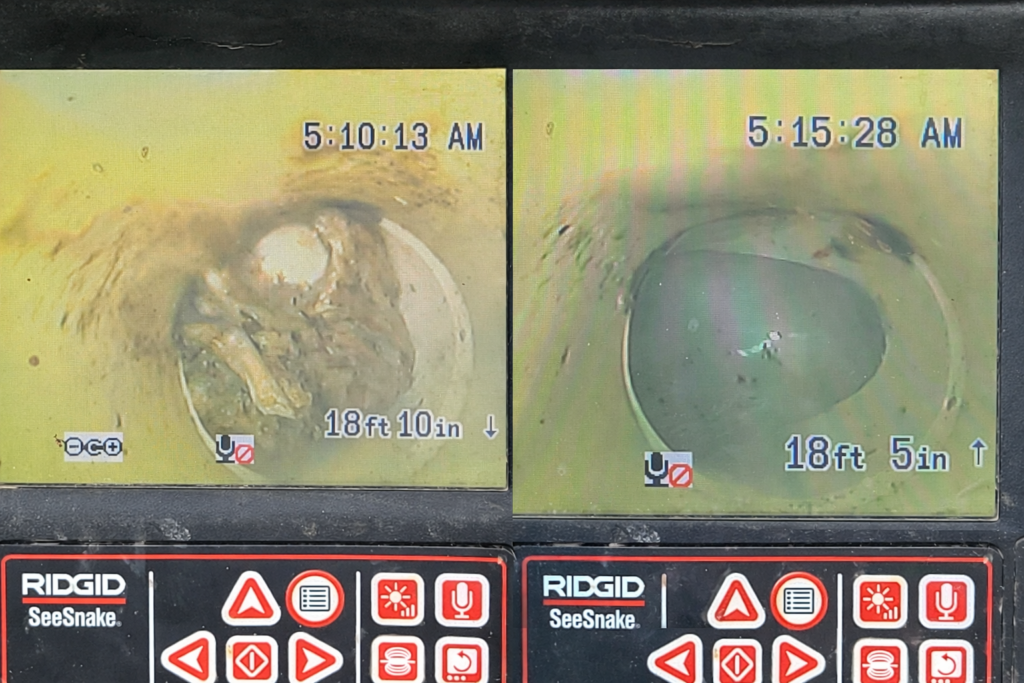
Another common mistake is ignoring early signs of trouble. Slow drains or recurring clogs often indicate
a deeper issue in the plumbing system. Tree roots, pipe damage, or heavy buildup inside the main line
can cause repeated problems. Addressing these warning signs early can prevent major backups and
costly repairs
When to Call a Licensed Plumber
Professional drain cleaning plays an important role in long-term drain health. A licensed plumber has
specialized tools to safely remove buildup and identify potential issues within the pipes. Professional
service is especially helpful for homes that experience frequent clogs or have older plumbing.