Clean, safe water is something most homeowners expect when they turn on the tap, yet water quality
can vary widely depending on location, source, and plumbing infrastructure. While municipal water is
treated before reaching homes, it can still contain sediment, minerals, chlorine, or other contaminants
by the time it arrives. Installing a water filtration system can significantly improve water quality, protect
plumbing fixtures, and enhance everyday comfort
- Test your water quality quarterly
- Use Ro System for drinking water
- Don’t use Chemicals
The Benefits of Installing a Water Filtration System
One of the most noticeable benefits of water filtration is improved taste and odor. Chlorine and other
treatment chemicals are commonly used to disinfect water supplies, but they often leave behind an
unpleasant smell or taste. Filtration systems remove or reduce these substances, resulting in
cleaner-tasting water that is more enjoyable to drink and cook with. Many homeowners find that filtered
water encourages better hydration and reduces the need for bottled water.
Water filtration also plays an important role in protecting plumbing systems and appliances. Sediment,
minerals, and debris can build up inside pipes, water heaters, dishwashers, and washing machines
over time. This buildup reduces efficiency and shortens the lifespan of equipment. By filtering out these
particles before they enter the plumbing system, homeowners can reduce wear and tear and lower
maintenance costs.
Health considerations are another major reason homeowners choose water filtration. Depending on the
area, water may contain contaminants such as lead, pesticides, or other trace elements. While not
always present at harmful levels, long-term exposure can be a concern. Filtration systems provide an
added layer of protection, offering peace of mind that the water used for drinking, cooking, and bathing
is as clean as possible.
There are several types of water filtration systems available, each designed to meet different needs.
Point-of-use systems, such as under-sink or countertop filters, treat water at a single location. These
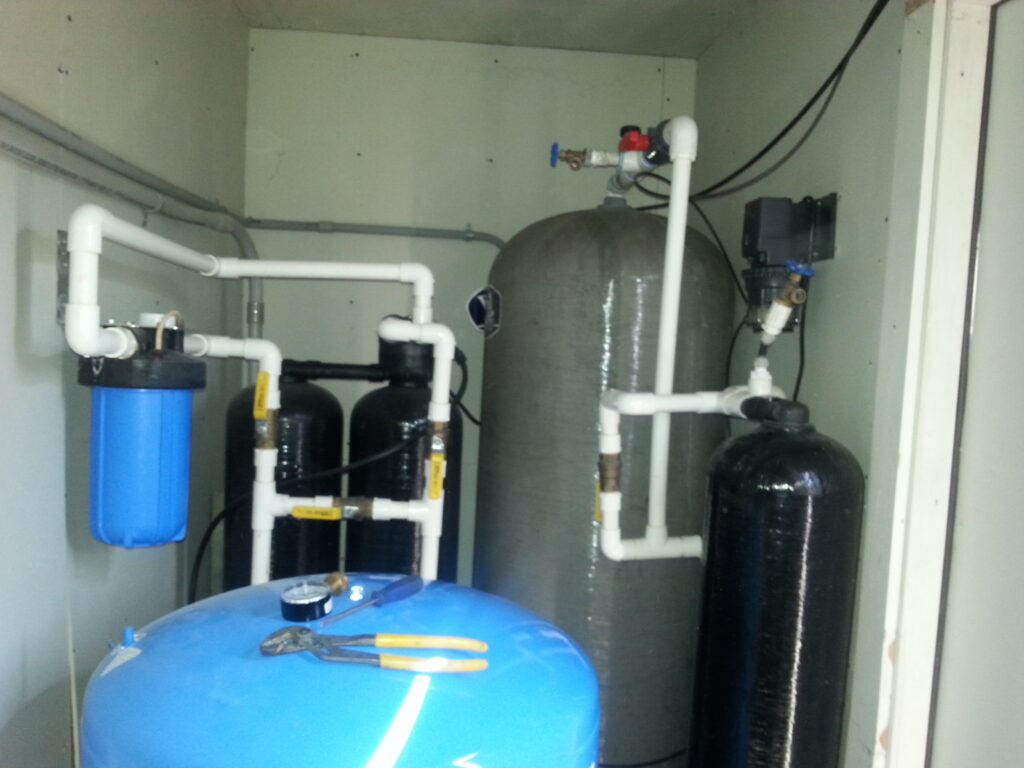
are ideal for drinking and cooking water. Whole-house filtration systems treat all the water entering the
home, providing protection for plumbing fixtures, appliances, and showers as well. The right choice
depends on water quality, household size, and specific concerns.
Installing a filtration system can also have financial benefits. Reducing reliance on bottled water saves
money over time and minimizes plastic waste. Additionally, protecting plumbing components from
mineral buildup helps avoid costly repairs and premature replacements
When to Call a Licensed Plumber
A licensed plumber can test your water, explain available filtration options, and recommend a system
that fits your home and budget. With the right system in place, water filtration becomes a long-term
investment in comfort, health, and plumbing system longevity